

Shopping for the best stand mixer in 2026 is easier than the reviews make it look, because almost every serious list lands on the same handful of machines: KitchenAid’s Artisan line, Cuisinart’s Precision Master, Hamilton Beach’s budget model, and the Ankarsrum for bread bakers. What the lists rarely give you is the math. What does each machine cost this year, what do you actually get for the money, and which one earns its price back in real use? This guide works through all of it.
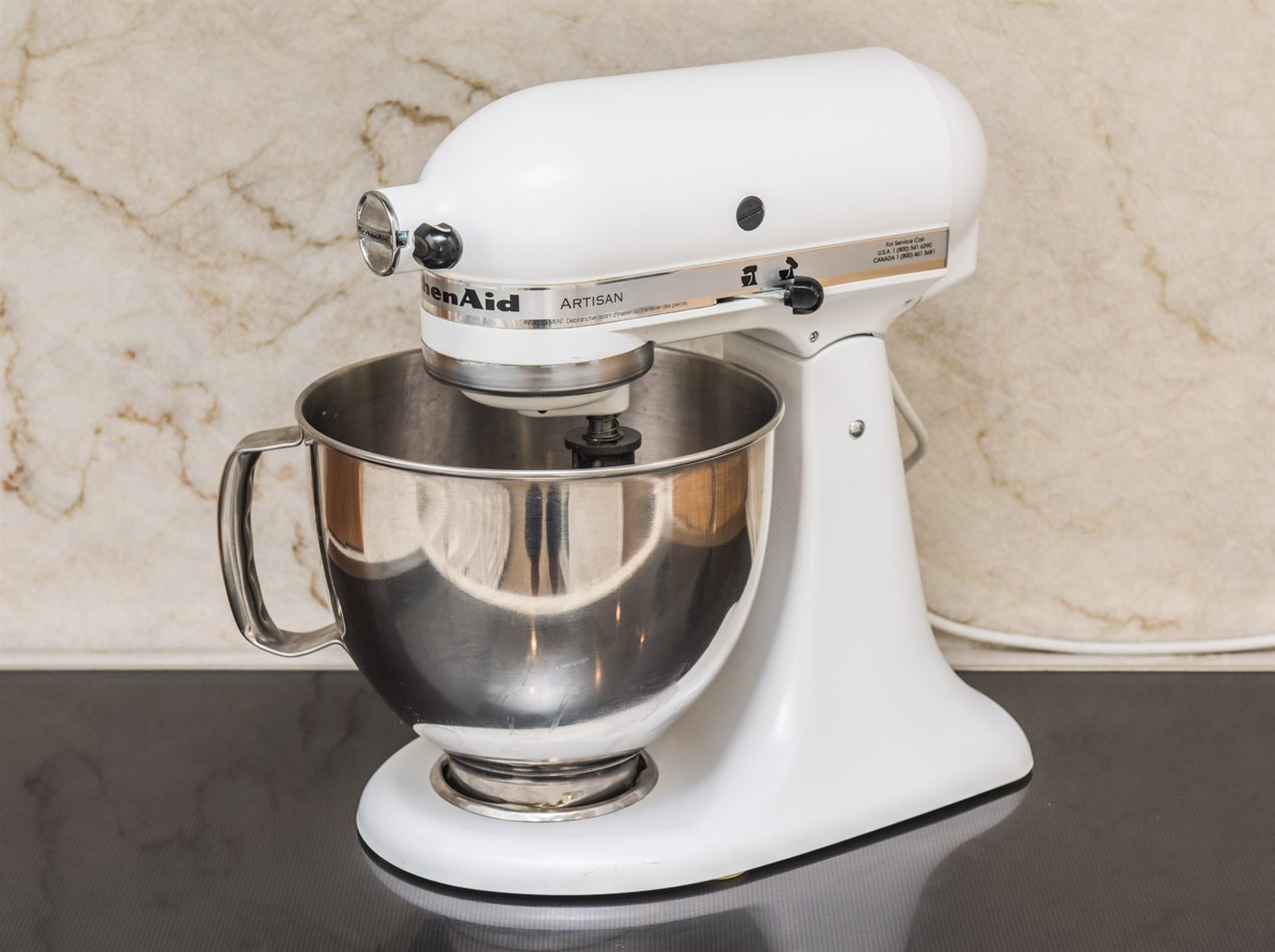
The best stand mixer shortlist for 2026
Testers at Wirecutter, CNET, Bon Appetit and The Kitchn all circle the same names this year. Here is the short version before we get into numbers:
- KitchenAid Artisan 5-Quart (KSM150) – the default for most home bakers
- KitchenAid Artisan Plus – the same idea with premium finishes, about 150 dollars more
- KitchenAid Artisan Mini 3.5-Quart – small kitchens and light duty
- KitchenAid bowl-lift models – more capacity for bread, often cheaper than the Plus
- Cuisinart Precision Master SM-50 – the value alternative under 250 dollars
- Hamilton Beach 4-Quart – the honest budget pick
- Ankarsrum Assistent – the bread specialist
KitchenAid Artisan 5-Quart: still the default
The Artisan (model KSM150) has been the reference point for so long that reviewers use it to describe everything else. The 2026 picture: list price around 450 dollars, but the mixer spends most of the year on sale somewhere between 320 and 370 dollars, and KitchenAid’s own store frequently bundles an accessory pack at the lower price. You get a 325-watt motor, a 5-quart stainless bowl, a tilt head, and a 23-pound body that stays planted while the machine works.
Capacity is practical: a double batch of cookie dough, a dozen cupcakes’ worth of batter, or two loaves of sandwich bread without the motor complaining. The real advantage is the attachment hub on the front. Pasta rollers, grinders, slicers, ice cream bowls – decades of attachments fit every Artisan, new or used, which spreads the machine’s value across many projects instead of one.
Parts availability matters too. Beaters, bowls, gaskets and gears are stocked everywhere, and a used Artisan holds resale value unusually well. When reviewers say a mixer is the safe choice, this is what they mean.
Artisan Plus vs Artisan: the 150 dollar question
Bon Appetit’s top pick for 2026 is the Artisan Plus, which runs roughly 550 to 700 dollars depending on finish. The uncomfortable question: what do you get for about 150 dollars over the regular Artisan? Not a bigger motor – the power is in the same class. You get premium finishes, some quality-of-life refinements, and a more polished overall package. If you cook on camera or simply want the prettiest version, it is lovely. If the goal is baking output per dollar, the standard Artisan on sale is the better machine. The 150 dollar difference buys a pasta roller and a grinder with change left over.
The Artisan Mini: when small is right
The 3.5-quart Artisan Mini sells for roughly 300 to 400 dollars and uses the same motor driving a smaller, lighter body. For apartments, shared kitchens, and bakers who make single batches, it is genuinely good. The limits show with stiff dough: less bowl room means less mass around the hook, so heavy bread work strains the machine faster. Treat it as a cakes-and-cookies mixer and it will last.
Bowl-lift models: more machine for less money
Here is the least-known trick in this category. KitchenAid’s bowl-lift models – the commercial-style line – currently cost about 100 dollars LESS than the Artisan Plus while offering a bigger 5.5-quart bowl and a more stable platform for heavy dough. The old Professional 600 has been discontinued and folded into the 7-quart Bowl-Lift. Bowl-lift machines are heavier and less graceful to store, and they lack the tilt head’s convenience for scraping. But for bread bakers, paying less for more capacity is simple math.
Cuisinart Precision Master SM-50: the value pick
Under 250 dollars, the Cuisinart SM-50 offers the best capacity-per-dollar in the category, which is why CNET names it the budget-friendly alternative. The honest caveat comes from Wirecutter’s testing: the head rocks and the machine strains when you push stiff dough at high speeds. For creamed butter, cakes, whipped cream and cookie dough, it is fine. For weekly sandwich loaves, it will remind you why KitchenAid charges more. Attachments exist but the ecosystem is much smaller.
Hamilton Beach: the honest budget pick
At 50 to 120 dollars, the Hamilton Beach 4-quart stand mixer (300 watts, about 9.4 pounds) does light work adequately: brownie batter, frosting, the occasional cookie batch. It is light, small, and cheap. It is not built for weekly bread, and its lifespan under heavy use is measured in a couple of years, not a decade. As a starter machine or a second mixer for holiday overflow, it does its job.
The bread exception: Ankarsrum
The Swedish Ankarsrum Assistent works differently: the bowl rotates while a roller and scraper arm stay in place. That design kneads huge dough loads without heating, which is why bread bakeries and serious home bread bakers swear by it. The tradeoffs: it costs as much as a premium KitchenAid, it looks like lab equipment, and it is awkward for the things KitchenAid does best – whipping cream, creaming butter, cake batters. Buy it if bread is your main event. Do not buy it as an only mixer for general baking.
The real math: cost per baking session
Divide each mixer’s realistic price by its realistic life and usage, and the picture sharpens:
- Artisan at 370 dollars, ten-year life, two baking sessions a week: roughly 35 cents per session – less than a single egg
- Hamilton Beach at 100 dollars, two-to-three-year life under regular use: 30 to 50 cents per session, but only for jobs it can handle
- Cuisinart SM-50 at 230 dollars, five-year life: about 20 cents per session for lighter-duty work
The budget machines look competitive until you count what they cannot do. The Artisan’s ten-year parts ecosystem and resale value are the parts of the math that never make it onto a spec sheet but decide the total in year five.
How to choose in 30 seconds
- Bake weekly, want one mixer for everything: Artisan 5-Quart
- Want the premium finish and do not mind paying for it: Artisan Plus
- Small kitchen, small batches: Artisan Mini
- Bread is the priority, budget matters: KitchenAid bowl-lift
- Bread is the whole hobby: Ankarsrum
- Tight budget, occasional baking: Hamilton Beach
- Want capacity under 250 dollars and accept the wobble: Cuisinart SM-50
Fitting the mixer into your kitchen
A stand mixer earns its counter space as part of a system, not alone. If you are setting up your kitchen workflow, our five-zone pantry method shows where a mixer belongs so it actually gets used. And once it is out on the counter, the place it pays for itself fastest is a big cookie session – start with the six base doughs and you can turn one mixing afternoon into a dozen different cookies for the tray.
Leave a Reply