
A home coffee bar is the cheapest renovation in the kitchen: no contractor, no permit, just a dedicated square foot of counter that makes the morning feel designed instead of improvised. The good news about coffee bar ideas in 2026 is that the price floor keeps dropping – a tray, one airtight jar, and a plant already on hand gets you a functional station for about $50, while the ceiling is genuinely high: a plumbed built-in with a prep sink runs from a few thousand dollars into five figures. This guide walks the full ladder – tray, cart, cabinet, and built-in – with real numbers at each rung, so you can spend where it matters and skip where it doesn’t.
Coffee Bar Ideas That Cost Almost Nothing
The $50 tier is the right starting point even if you plan to spend $500 later, because it teaches you what you actually use:
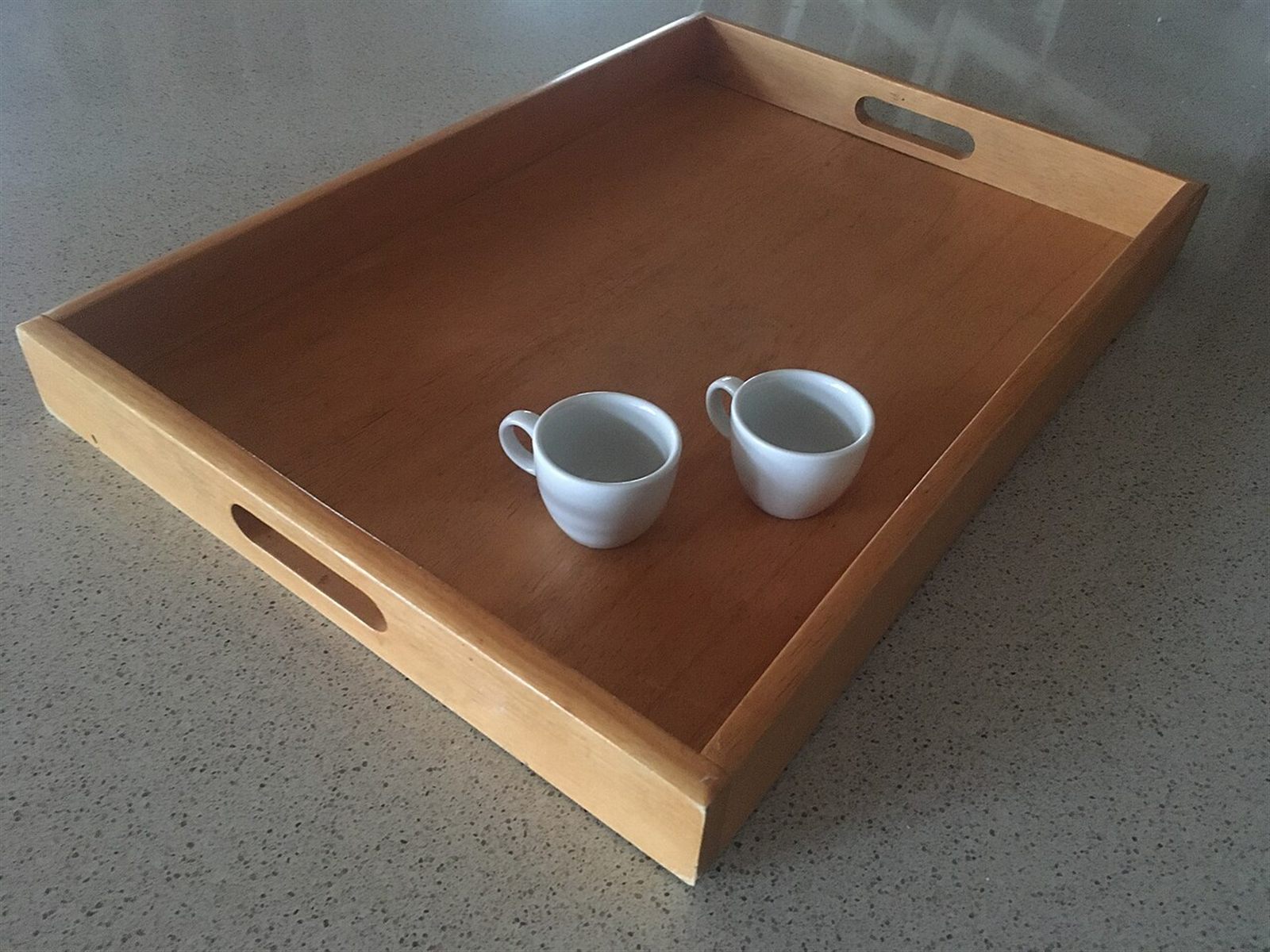
- The tray setup: a wooden or rattan tray corrals the machine, a mug tree, an airtight jar of beans, and sugar on counter space you already own. Complete setups at this level land around $50 – the tray plus jars and a plant – because the coffee maker is usually the only real purchase.
- The mug rail: adhesive hooks or a small rail under an upper cabinet stores four to six mugs vertically, reclaiming shelf space for beans and filters.
- The drawer kit: a drawer near the machine holds stirrers, tea, sugar packets and napkins flat – the same zone logic as the kitchen organization ideas that keep a pantry working, applied to one square foot.
- The water move: a filtered pitcher or small dedicated kettle kills the “my espresso tastes like tap water” problem for about $20, before any machine upgrade.
The Cart: The Best $40 Upgrade in the House
A rolling utility cart – the IKEA RASKOG class of cart, about $40 for the steel three-tier version – is the workhorse of home coffee bar ideas, and DIY builds using one come in near $52 with accessories. It earns the money three ways: it holds a machine plus supplies on tiers, it can be wheeled into a closet when guests need the space, and it makes a coffee station possible in apartments where no cabinet can be sacrificed. Style it with the mugs on the middle tier (easiest reach), the machine on top, and the surplus – filters, beans, back-up jars – below. One caution: check the machine’s footprint against the tier dimensions with the water tank and hopper in place, not the flat spec sheet, and leave an inch for the handle swing.
The Cabinet Corner: $150 to $500 Done Properly
The next tier turns a dead appliance garage or a lower-cabinet bay into a permanent station:
- Clear one bay: a single 24-inch lower cabinet with the doors removed, the shelf raised, and a plug strip mounted inside holds a machine, grinder and storage – the classic apartment-sized built-in. Cost: under $100 if you already own the machine.
- The appliance garage: dedicated hides-the-machine cabinets run about $400 to $1,000 installed, with ready-made garage units around $968 for a 24-by-18-inch box that needs an outlet inside it.
- Countertop and backsplash: extending a stone or butcher-block run by two feet – the surface most real coffee bars stand on – runs roughly $200 to $600 installed depending on material.
- Lighting: a 12-inch LED strip or puck under the upper cabinet, $15 to $50, does more for the “bar” feel than any other single dollar.
One electrical note matters at this tier: espresso machines with heating elements are hungry, and while most home machines run happily on a standard 15-amp kitchen circuit, you should not stack a machine, a kettle and a grinder on the same outlet at once. Kitchens already run dedicated circuits by code; just know which outlets share one, and stage the kettle after the shot rather than during it.
The Built-In: When the Coffee Bar Becomes Construction
The full version – a plumbed corner with a prep sink, dedicated outlets and custom cabinetry – is a real remodel. Line-item numbers from renovation cost guides put sink drainage (often needing a pump or ejector because bar sinks sit below the sewer line) at $1,500 to $5,500 and new electrical circuits at $700 to $2,500, before cabinetry and counters; custom built-in bars as projects run from roughly $12,000 into the tens of thousands in major metros. The honest question is whether a plumbed line earns its cost: a pitcher-filled tank machine does the same job with zero plumbing, which is why most designers now spec a “wet-look” bar – sink-adjacent, pitcher-fed – for a tenth of the price. If you are already opening walls, coordinate the outlet height with the machine purchase first; retrofitting an outlet behind a finished backsplash is the most expensive line item nobody plans for.
What Belongs on the Bar (and What Doesn’t)
Curate by daily reach, not by aspiration:
- Everyday zone (arm’s reach): machine, grinder, one open jar of beans, mugs for two, sugar or sweetener.
- Weekly zone (one step back): backup beans in airtight jars, filters, syrups, the milk frother, tea.
- The beans rule: coffee degrades on light and air; keep the open jar on the bar in daily use and the rest sealed in a dark cabinet – never display decorative beans in glass, they go stale in a week.
- The scale: a $15 gram scale is the single cheapest upgrade to cup quality, more per dollar than any machine change under $300.
- Leave out: the pod graveyard, the novelty mugs, and the appliance you do not use weekly – those belong in the pantry zone or a closet.
Counter space is the currency here. The footprint a coffee bar claims is the same footprint a stand mixer or a toaster oven wants, and the stand mixer comparison covers how much room those really need – if both live on your counter, the cart is not optional, it is the plan. Power draw works the same way: the air fryer versus oven math shows how much a countertop heating appliance actually pulls, and an espresso machine mid-shot deserves the same respect on a shared circuit.
The Sweet Corner Trick
The reason a home coffee bar outperforms its size is that it pairs: coffee wants a small sweet within reach, and the bar shelf next to the machine is a natural home for biscotti, shortbread, or weekend holiday cookies. Keep a covered tin on the bar’s second shelf and the whole setup earns its square foot twice – once at 7 AM and again at 3 PM.
Start at $50, prove the habit for a month, and let the bar grow with the routine: a $40 cart when the tray overflows, one cabinet bay when the cart overflows, and construction only if the ritual is truly permanent. That ladder – tray, cart, cabinet, corner – is the whole secret hiding inside the best coffee bar ideas: the expensive version is just the cheap version with better storage and more outlets.
Leave a Reply