
A buttermilk substitute takes five minutes and two things you already have: milk and an acid. The standard ratio is one tablespoon of lemon juice or white vinegar topped up with milk to the one-cup line – a swap so reliable that university extension kitchens, King Arthur, America’s Test Kitchen and almost every baking reference teach the same version. It works because most recipes want buttermilk for one specific job: acid to react with baking soda, producing the carbon dioxide that lifts biscuits, pancakes, cakes and muffins. What the shortcut does not reproduce is the cultured flavor and gentle thickness of the real thing – which matters in some recipes and not at all in others. Here is how to pick the right substitute, scale it to any amount, and know when to leave the carton in the fridge door.
Buttermilk Substitute 101: The 1-Tablespoon Rule
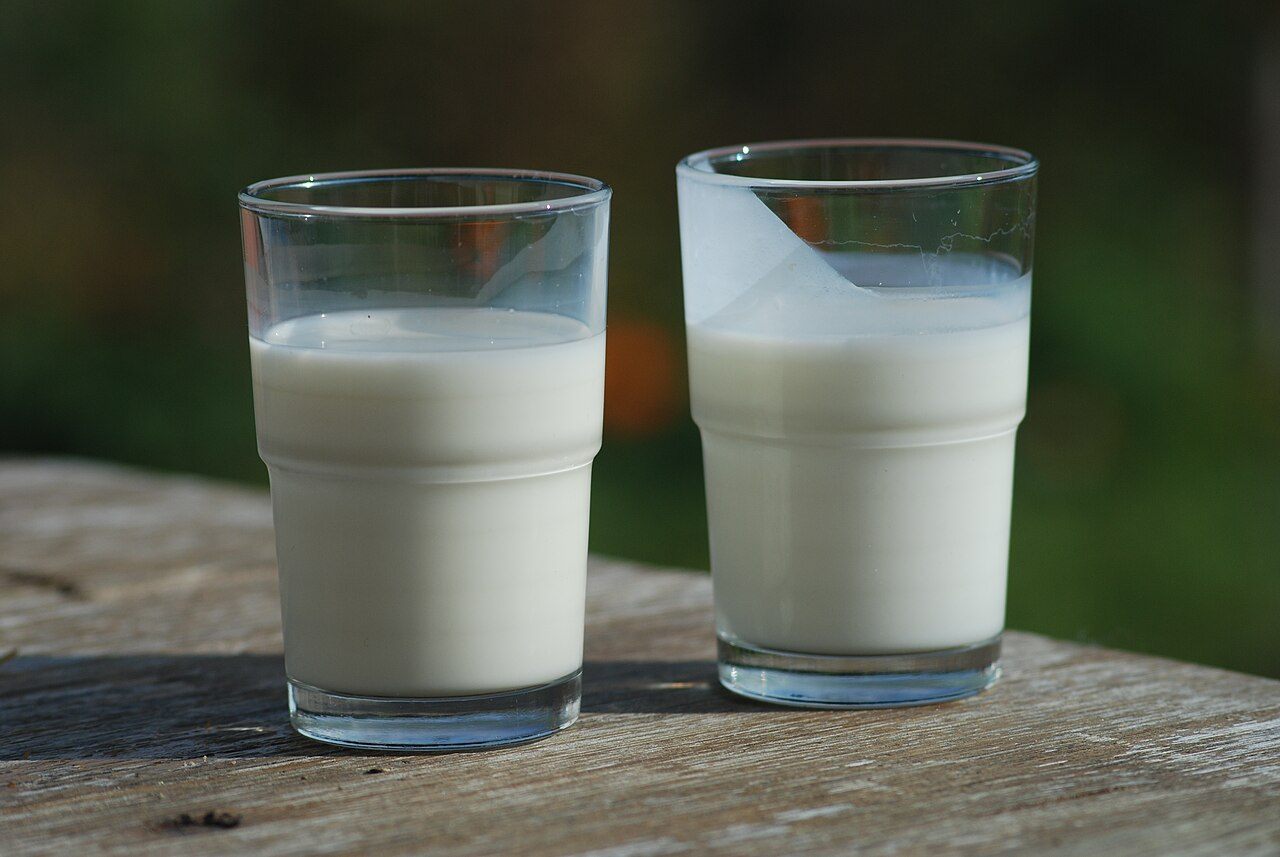
Pour one tablespoon (15 ml) of lemon juice or distilled white vinegar into a liquid measuring cup, add milk until the total reaches the one-cup (240 ml) line, stir once, and let it stand 5 to 10 minutes. You will see light curdling and a slight thickening – that is the acid denaturing milk proteins, and it is exactly what you want. Use it in place of one cup of buttermilk, same amount, no other changes.
Two details make the difference between “works” and “works perfectly.” First, fill to the line rather than adding a full cup of milk on top of the acid: the total volume stays exactly what the recipe expects, so the batter is not wetter than designed. Second, scaling the acid is linear – one tablespoon per cup of milk:
- ¼ cup buttermilk: ¾ teaspoon acid + milk to ¼ cup.
- â…“ cup: 1 teaspoon acid + milk to â…“ cup.
- ½ cup: 1½ teaspoons acid + milk to ½ cup.
- â…” cup: 2 teaspoons acid + milk to â…” cup.
- ¾ cup: 2¼ teaspoons acid + milk to ¾ cup.
- 2 cups: 2 tablespoons acid + milk to 2 cups.
Use whole milk when you can – it gives the creamiest result. Two percent works in a pinch, and unsweetened soy, oat or almond milk works too, though plant milk curdles less dramatically; give it about 15 minutes and the baking result is the same. America’s Test Kitchen uses a slightly stronger 1½ tablespoons of lemon juice and found that resting is not actually necessary – the acid works the moment it meets the milk. The 5-to-10-minute pause is still useful as a place to park the cup while you measure the flour (which, as our how to measure flour guide explains, is worth measuring properly in its own right).
Why the Acid Matters (and Why Plain Milk Fails)
Buttermilk’s acid and baking soda are partners: the moment they meet in a wet batter they release carbon dioxide, which lifts the crumb and tenderizes it. Skip the acid and the soda has nothing to react with – the bake comes out flatter, denser, and oddly dark. That is the whole reason this substitute exists: to put the acid back. If your recipe uses baking powder rather than soda, the buttermilk is mostly there for tang and tenderness, which is why the swap’s shortcomings are easier to hide in a spiced or chocolate cake, where the flavor difference disappears into the cocoa and cinnamon.
It is the same acid-plus-soda logic that our baking powder vs baking soda guide walks through: soda needs a partner acid, powder brings its own. Buttermilk is one of the classic partners.
Lemon or Vinegar? Does the Rest Matter?
Neither is better in a bake. White vinegar is flavor-neutral and vanishes in the oven; lemon juice leaves a faint citrus note that suits pancakes, lemon loaf and muffins. Bottled lemon juice is fine. In a King Arthur biscuit test, vinegar-soured milk rose and browned like real buttermilk but lacked its depth of flavor – a fair description of the shortcut in general. Australia watch out: a local tablespoon is 20 ml, not 15, so use three teaspoons of acid there.
One more comparison worth knowing: in biscuits and pancakes, Greece-style thickness can matter more than flavor. Which brings us to the next-best option.
When Yogurt, Kefir or Cream of Tartar Wins
- Greek yogurt and milk: â…“ cup yogurt plus â…” cup milk per cup of buttermilk. King Arthur found this nearly tied with real buttermilk in biscuits and equal in pancakes – the closest match for thickness and tang.
- Plain yogurt: ½ cup yogurt plus ½ cup water or milk; whisk until it pours like heavy cream. Thicker results than the acid method.
- Kefir: a straight 1-for-1 swap. It is cultured, tangy and pourable – the nearest thing you can buy to buttermilk.
- Cream of tartar: 1½ teaspoons per cup of milk (King Arthur uses 1¾). Whisk it into the dry ingredients first so it does not clump, then add the milk.
- Sour cream: ¾ cup sour cream thinned with ¼ cup milk; noticeably richer, since sour cream carries at least 18 percent milkfat against about 1 percent in low-fat buttermilk.
For dairy-free bakes, the lemon-or-vinegar method with plant milk is the standard answer; skip the yogurt swaps unless you have a non-dairy version you like.
What the Shortcut Cannot Copy
Traditional buttermilk was the thin liquid left after cream was churned into butter. The carton in the dairy aisle is cultured buttermilk: low-fat milk inoculated with lactic cultures, which thicken it and give it that distinctive tang – US federal standards set a minimum acidity of 0.5 percent. Milk plus lemon juice gives you the acid but none of the cultures, so it is thinner and flatter in flavor. That is fine in a pancake batter and less fine in a buttermilk dressing, a buttermilk pie, a fried-chicken marinade, or anything you will drink: those rely on the cultured flavor, and a dressed salad will not forgive the shortcut. When a recipe calls for more than a cup of buttermilk, real cultured is worth buying.
Texture control in baking is a stack of small decisions, and tang is only one of them – temperature is another, covered in our butter temperature guide. Both matter when you are shaping tender, well-risen batches like the ones in our Christmas cookie recipes.
The Bottom Line
For most baking, one tablespoon of lemon juice or vinegar topped to one cup with milk is all you need – five minutes, no shopping trip, the same rise. Reach for thinned Greek yogurt when texture matters more than convenience, kefir when you have it, and real cultured buttermilk when the recipe’s flavor is the point.
Leave a Reply