
Pantry storage for bakers is a different game from ordinary food storage, because flour, sugar, and leaveners do not spoil the way milk or meat does – they fade, absorb, and go quietly stale in ways you only notice in the finished bake. A bag of flour left in its paper sack in a warm cabinet picks up moisture and pantry odors, brown sugar turns to brick, and baking powder loses lift long before its date. The fix is not a bigger pantry; it is a system: airtight containers, a cool dark shelf, and a simple rotation habit. This guide covers what each baking staple actually needs, how long it really lasts, and the storage mistakes that quietly ruin good bakes.
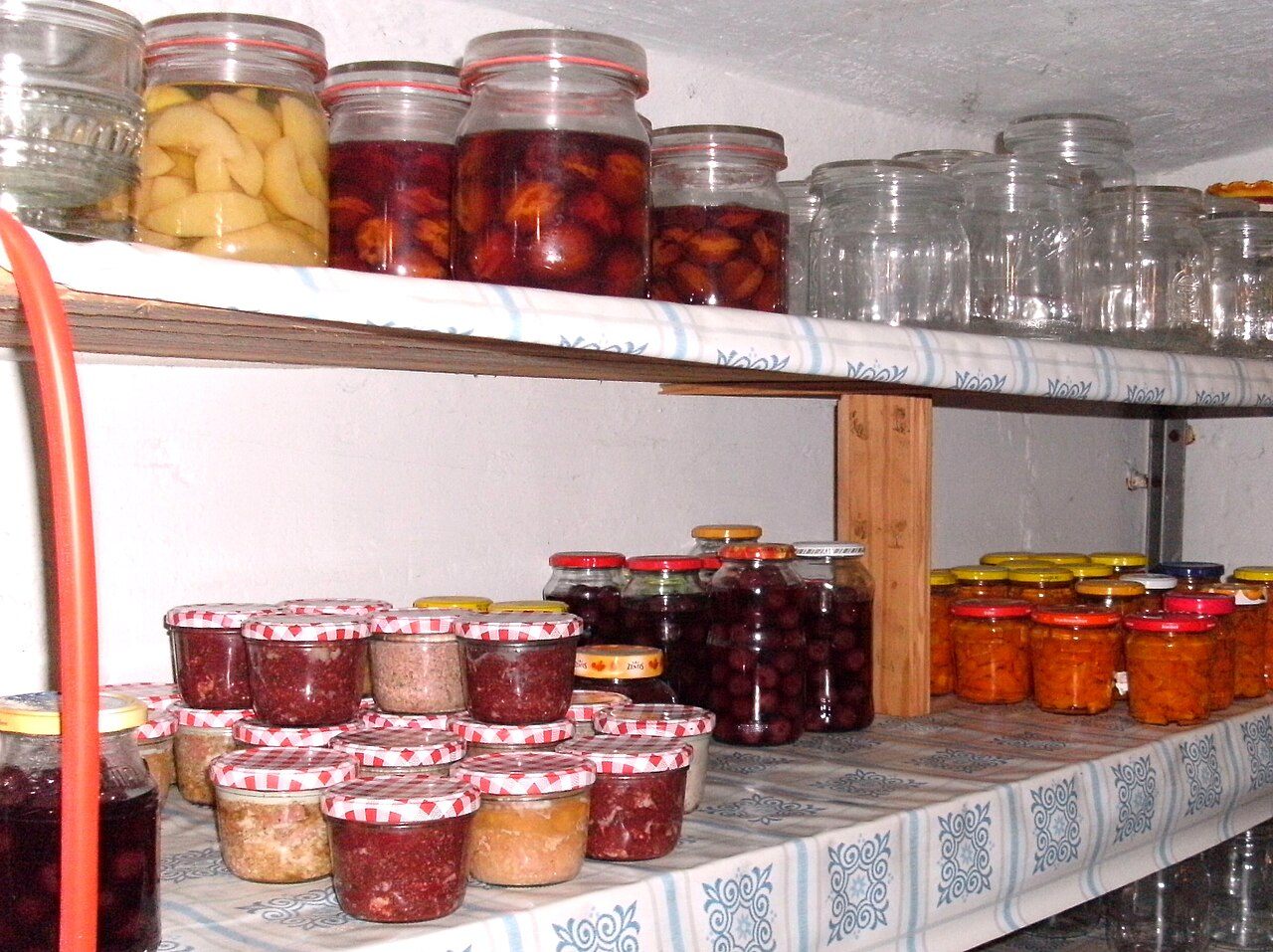
Pantry Storage Basics: Cool, Dark, and Sealed
Every baking staple shares the same three enemies: heat, light, and air. Heat speeds up every chemical reaction that makes fats go rancid and leaveners weaken; light bleaches and oxidizes; and air carries moisture in and aromas both ways. That is why the best pantry shelf for baking is the coolest, darkest one you have – not the cabinet above the oven or the shelf next to the dishwasher, both of which heat up every time you cook.
Aim for a shelf below 70 F (21 C) if you can, and always below 75 F. Translucent plastic bins on an open rack look pretty but let light through; opaque or solid-door storage beats glass-front every time for anything you keep longer than a month. And sealed means truly sealed: the gasket-lid containers with clip locks are worth the cost for flour and sugar, because folded paper bags and loose lids are how weevils and moisture get in.
Flour: The Shelf Life Nobody Reads Correctly
Flour is the staple bakers get wrong most often, and the reason is the germ. Whole-grain flours keep the wheat germ, and the germ is rich in fatty acids that oxidize – which is why whole wheat flour goes rancid within about 6 to 9 months of milling, faster in a warm pantry. Rancid flour is not dangerous, but it tastes bitter and cardboard-y, and no amount of vanilla hides it.
- Refined (all-purpose, bread, cake) flour: the germ is removed during milling, so it is far more stable – a year or more in an airtight container in a cool, dark pantry.
- Whole wheat, spelt, rye, and other whole-grain flours: treat them as perishable. Months in the pantry, a year-plus in the freezer. Buy in bags you will finish in a season, not in bulk.
- Freezer storage: flour freezes perfectly. A week in the freezer also kills any weevil eggs that came in the bag – a smart step for bulk purchases before the flour moves to a pantry container.
One old habit worth copying: before paper sacks, flour was sold and kept in cloth sacks, which were washed and refilled – the cloth protected from dust while letting the flour breathe. The modern equivalent is a breathable bin for short-term flour and an airtight one for the reserve. What you should never do is leave an open paper bag standing in the cabinet: the bag absorbs moisture and every neighboring odor, from onions to cleaning supplies.
Sugar, Brown Sugar, and Sweeteners
Granulated sugar is the easy one: it is chemically almost immortal. Its only real enemy is moisture and pests, so an airtight canister in the pantry is all it asks. Keep it away from strong smells too – sugar absorbs them, which is how “off” flavors end up in otherwise perfect shortbread.
Brown sugar is the problem child. Its softness comes from molasses, which dries out and hardens the whole bag into a brick within weeks of opening. Two fixes work: store it in a sealed container with a terracotta sugar saver or a slice of bread to hold moisture, or press it into the container firmly so it stays workable. If it has already hardened, a day in a sealed container with a slice of fresh bread revives it. Honey, syrups, and liquid sweeteners need only a tight lid and a dark shelf; crystallized honey is not spoiled – warm the jar in hot water and it clears.
Leaveners: The Silent Expiry
Baking powder and baking soda fail quietly – no smell, no mold, just flat cakes. Baking soda lasts practically forever as a pantry staple, but baking powder is moisture-sensitive and starts losing lift within months of opening, especially in a humid kitchen. Store both in tight-lidded containers away from the stove, and test baking powder with hot water (it should foam hard) and baking soda with vinegar before you commit a batter to them. Yeast is a different beast: unopened it keeps well in the pantry, but once opened it belongs in the fridge or freezer in a sealed jar.
The Rotation Habit That Makes It All Work
Storage hardware fails without rotation, because the oldest bag gets buried under the new one. Keep it simple: when a new bag comes in, it goes behind or beneath the open one; label every container with what it is and the date you opened it (masking tape and a pencil are fine); and once a season, pull everything off the baking shelf, wipe it down, and check for stale dates and stray bags. Ten minutes a season is all it takes. If your shelves need a reset first, our broader kitchen organization ideas cover the layout side – the baking shelf works best when it is one dedicated zone rather than scattered across three cabinets.
When Sweeteners Meet Storage
Sweetener choice changes pantry logistics too. Honey and sugar substitutes in baking each have their own quirks – honey crystallizes, liquid substitutes need cool dark shelves to hold color, and some granulated blends clump hard in humid pantries – so whatever you bake with, the lid quality matters as much as the ingredient. The same goes for maple syrup grades: real maple keeps for years unopened, but once opened it belongs in the fridge, not the pantry – the one syrup that breaks the shelf rule.
Put It to Work
A sorted pantry pays off the moment a baking mood strikes: flour that smells sweet, brown sugar that scoops, baking powder that foams. Then the only thing left to test it all with is a batch from our christmas cookie recipes – butter, sugar, and flour straight from a pantry that actually takes care of them. Baking well starts months earlier, on a cool dark shelf, one sealed container at a time.
Leave a Reply