

How to store cookies comes down to controlling two things: moisture and air. A cookie fresh from the oven is still giving off steam, and where that steam goes decides whether the batch stays crisp, turns chewy, or goes soggy. Soft cookies want their moisture trapped; crisp cookies want just enough air to keep their snap. Do that wrong and even a perfect recipe tastes stale by day three. Here is the practical system for storing baked cookies, raw dough, and decorated holiday batches — including what the freezer really does to texture.
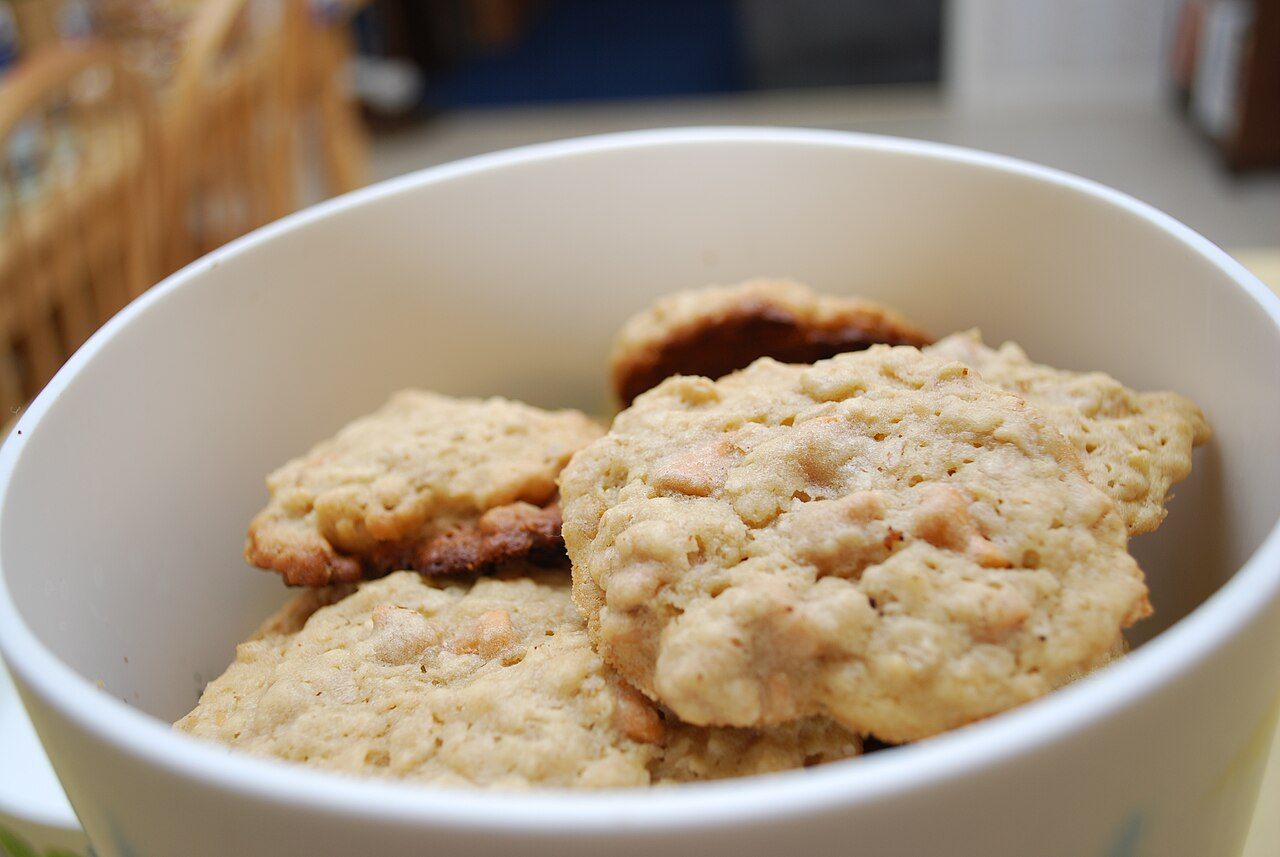
How to Store Cookies: Start With Cooling
Never box warm cookies. They are still releasing steam, and a sealed container traps it — crisp cookies go soft, soft cookies go sticky, and the damp surface is an invitation to mold. Cool them on a wire rack until room temperature all the way through, at least 30 minutes and longer for thick cookies. Iced and glazed cookies need the decoration fully set before anything touches them. This one habit prevents more failed batches than any container you can buy.
Room Temperature: Three to Five Days for Most Batches
Most homemade cookies are at their best for about three days on the counter, and airtight storage extends that to roughly five. Different textures need different treatment:
- Soft and chewy — chocolate chip, oatmeal, molasses, peanut butter: airtight container, parchment between layers, cool dry spot away from the stove. The seal keeps moisture in.
- Crisp — shortbread, biscotti, gingersnaps, sugar cookies: a tin or container with a slightly looser seal. A little circulating air preserves the snap; a fully airtight box can make them taste flat. Never refrigerate crisp cookies — humidity softens them.
- Decorated or iced: single layer if possible, or parchment between layers once the icing is completely dry. Expect about a week at room temperature.
- Bar cookies and brownies: about five days airtight; uncut slabs keep better than cut squares because less surface is exposed.
Store different kinds separately. Soft cookies release moisture that crisp cookies absorb, and strong flavors — ginger, cinnamon, mint, orange — migrate into mild shortbread and drop cookies. A divided tin or separate bags solves both problems. A loose-lidded decorative jar looks lovely but lets air in; if you use one, line it with a sealed bag inside. Organizing that space properly is part of our pantry storage for bakers guide.
When the Fridge Is Actually Required
Only when a perishable component is involved: cream cheese frosting, whipped cream, custard, or fresh fruit filling. Those cookies should not sit at room temperature for more than two hours — one hour if the room is above 90°F — and belong in a covered container in the refrigerator, eaten within a few days. Everything else is better off at room temperature; the fridge dries soft cookies, softens crisp ones, and makes them pick up the smell of whatever is on the shelf next to them.
Freezing Baked Cookies
Freezing is the best long-term storage, and Serious Eats’ side-by-side testing found that frozen cookies thawed for a few minutes held texture better than cookies kept several days at room temperature — chocolate chip stayed chewy, and buttery sablés kept their snap. The method matters:
- Cool the cookies completely, as above.
- Freeze them in a single layer on a baking sheet for about an hour, until firm. This stops them fusing into a block.
- Transfer to a freezer bag or airtight container with parchment between layers. Press the air out of bags and label with the date.
- Thaw in the sealed container at room temperature. Condensation forms on the container, not on the cookies, so icings do not bleed and the texture does not go soggy.
For best quality use frozen baked cookies within two to three months, though USDA FoodKeeper data puts the quality window for both soft and crisp cookies at 8 to 12 months and notes that food held at 0°F stays safe indefinitely — only texture declines. Freeze iced cookies only once the icing is dry, and keep them in single layers. Parchment between layers is the same trick that keeps the liners in our parchment vs silicone guide useful beyond the oven.
Freezing the Dough Instead
Dough gives you a fresh-baked cookie on demand, and it sidesteps the stale-texture question entirely. Portion it into balls, freeze on a parchment-lined sheet until solid (at least 30 minutes), then bag and return to the freezer for up to two months. Bake straight from frozen, adding a minute or two to the timer — no thawing, no extra flour. In the refrigerator, dough is good for about four days; cookies leavened only with baking soda fade sooner because soda is single-acting and spends its lift within the first two days, while double-acting baking powder keeps a second rise in the oven (the full explanation is in our baking powder vs baking soda guide).
Shipping Cookies Without Breaking Them
Choose travelers: gingersnaps and other cookies baked dry through the center, plus dense bar cookies. Moist, chewy cookies can arrive stale, and delicate ones crumble. Never mix moist brownies with crisp meringues — moisture transfer ruins both. Stack bars with parchment, wrap small stacks in plastic, seal in a zip bag, then pad the box with bubble wrap, packing peanuts, or popcorn, with the most fragile pieces in the middle. For a full holiday lineup of shippable doughs, see our Christmas cookie recipes guide.
Can You Revive Stale Cookies?
Sometimes. A few minutes in a 300°F oven can crisp a slightly softened cookie again, and a slice of bread in the container overnight will give chewy cookies a little moisture back — the bread gives up water to the cookies rather than the other way around. Neither trick restores a cookie that has gone genuinely stale or picked up another food’s smell, so treat them as short-term rescues, not a storage strategy. Once a baked cookie has molded, discard the whole batch: porous baked goods can be contaminated below the visible spot, and cutting the bad piece away is not enough.
The Bottom Line
Cool completely, then match the container to the texture: airtight for soft, slightly vented for crisp, single-layer for decorated. Keep unlike cookies apart, skip the fridge unless the filling demands it, and freeze anything you will not eat within four days. Thaw frozen cookies in their sealed container and they will taste remarkably close to the day you baked them.
Leave a Reply