

Brown butter is one of the cheapest flavor upgrades in baking: the same butter you already buy, cooked a few minutes longer until the milk solids toast and the kitchen smells like hazelnuts. That scent is the Maillard reaction, and it turns a plain cookie into something that tastes of caramel and toasted nuts. But browning butter also removes water — roughly 15 to 20 percent of its weight — and if you swap it into a recipe without replacing that moisture, the result is dry, dense, and greasy. Here is the reliable method, the water-loss fix that most guides bury at the bottom, and how to handle the temperature change before you cream or mix.
Brown Butter: What Is Actually Happening
Butter is roughly 80 to 82 percent fat, 16 to 17 percent water, and 1 to 2 percent milk solids — proteins and lactose suspended in the fat. When you melt it over heat, three things happen in sequence. First the butter liquefies. Then the water boils off in a loud, sputtering foam that lasts two to four minutes. Once the water is gone, the pan temperature jumps from 212°F toward 250°F and above, and the milk solids on the bottom begin to toast. That is the Maillard reaction creating the nutty, caramel aroma. The entire window between “not brown enough” and “burnt” can be under a minute, so the process rewards attention rather than a timer.
How to Brown Butter Step by Step
- Cut the butter into even pieces. Tablespoon-sized pats melt at the same rate; a cold stick dropped whole browns at the edges while the center is still solid.
- Use a light-colored, heavy-bottomed pan. Stainless steel is the standard — you need to see the color of the solids on the bottom. A wide pan gives you a better view than a deep one.
- Melt over medium heat, not high. High heat browns the solids before the water has finished leaving, producing patchy, bitter results.
- Wait through the foam. The butter will bubble and spit, then foam white. That is water leaving. Do not rush this stage.
- Swirl or stir once the foam subsides. A silicone spatula lets you scrape the bottom where the solids collect and where they burn. Keep them moving.
- Watch for amber flecks and a nutty smell. The bits turn pale, then tan, then hazelnut brown; the liquid goes amber. The smell is your stop signal — caramel first, toasted nuts second, sharp or bitter if you have gone too far.
- Pour it out immediately into a heatproof bowl, solids and all. A hot pan keeps cooking the butter for another 30 seconds after you kill the heat, and 30 seconds is enough to burn it. This is the step most people skip.
Plan on five to eight minutes for a stick or two, but watch the butter rather than the clock. The brown flecks are the entire point — scrape every one out of the pan, because they carry most of the flavor. If you want a deeper, nuttier result, a little extra milk powder stirred into the hot butter will toast along with the natural solids.
The Water-Loss Fix Nobody Mentions
Browning boils off essentially all the water in butter, so the finished butter weighs 15 to 20 percent less than what went in. Every gram of that loss is water your recipe was counting on to hydrate flour, dissolve sugar, and turn into steam that lifts the crumb. Swap browned butter in one-for-one and a cookie dough becomes drier, shorter, and less spread. The fix is simple:
- Weigh the cold butter before browning and write the number down.
- Tare a heatproof bowl, pour in the browned butter, and weigh again.
- Add back the difference in grams of water or whole milk, then stir.
For one stick (113 g), expect to add roughly 17 to 21 g of water — about 1 tablespoon plus a little. King Arthur’s simpler rule is 1 tablespoon of liquid per half cup (113 g) of butter. Weigh it yourself rather than trusting a table: loss varies with how hard you browned it and how wide the pan was. Milk adds a touch of sugar and protein that promotes further browning in the oven; water is neutral and works fine. Either way, the browned butter should go back into the recipe at the same total weight it started with. Flour measurement matters just as much here — our how to measure flour guide covers the other half of the ratio.
Temperature: Cool It Before You Mix
Browned butter leaves the pan at 250°F or hotter. Butter creams properly at 65 to 68°F. Those two facts are not compatible — hot butter poured onto sugar dissolves the crystals instead of whipping air into the fat, and the batter can cook the eggs on contact. What you do next depends on the recipe:
- Recipes that call for melted butter: cool the browned butter to about 90 to 100°F (roughly 15 minutes) and use it while still liquid. This is the easy path, and it is why brown butter chocolate chip cookies work so well.
- Recipes that call for softened butter and creaming: chill the browned butter in a shallow dish for 30 to 45 minutes until it firms to the texture of soft peanut butter, then let it sit out about 10 minutes. Stir the settled solids back in as it sets. Our butter temperature guide explains why that 65°F window matters so much.
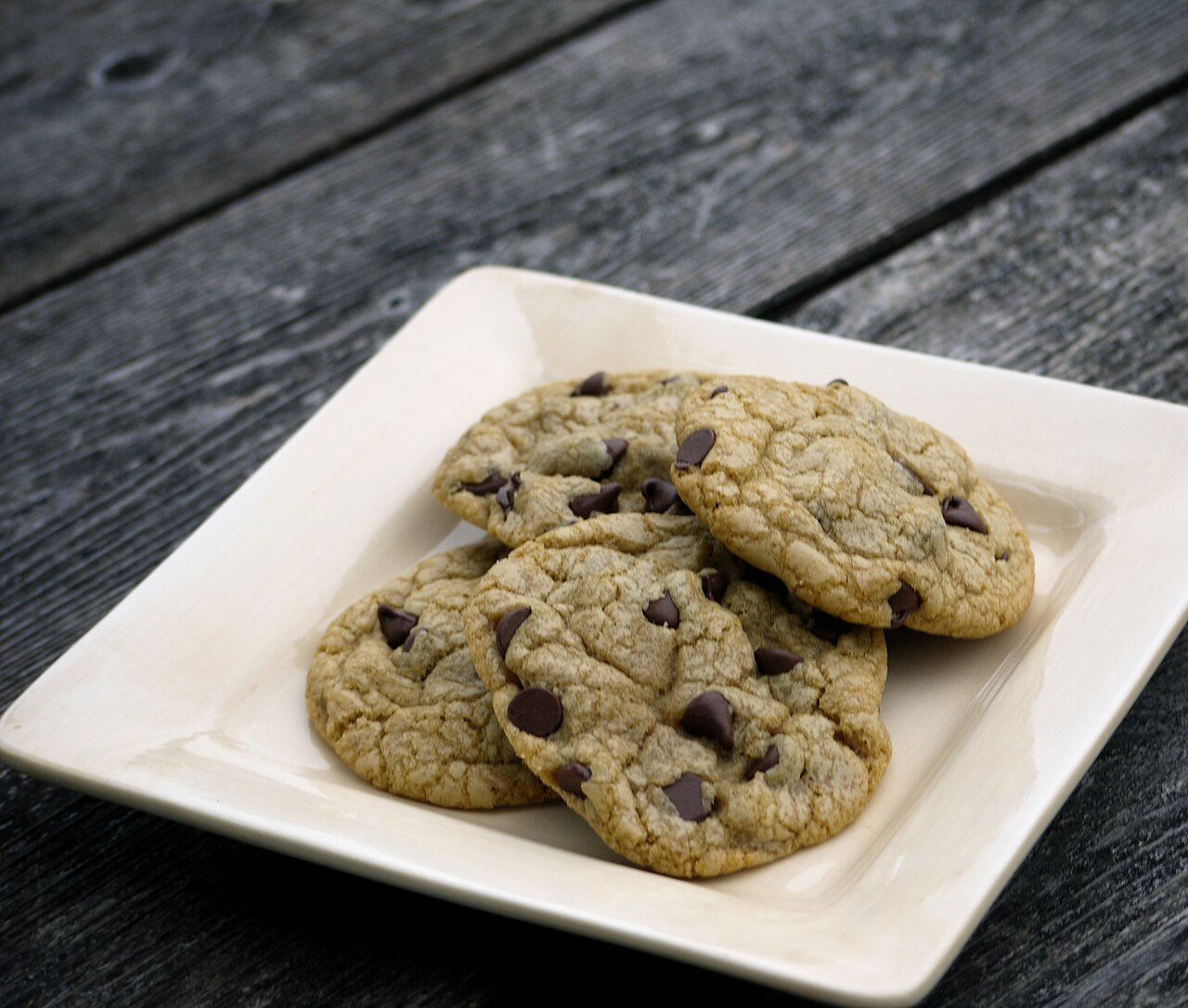
Brown butter also changes how cookies spread. Because some water is gone, the dough tends to spread a little less and brown more deeply; many recipes compensate with an extra egg yolk or slightly less flour. That is a recipe-design choice, not something to improvise casually — follow a tested brown-butter formula when you can. The flavor payoff is real: a short bake like a cookie never gets long enough at high heat to toast its own milk solids throughout, so browning the butter first pushes that toasted flavor into every crumb. Our Christmas cookie recipes guide is built around tested doughs where this technique works cleanly.
Storing Brown Butter
Keep leftover brown butter in an airtight container in the refrigerator for up to two weeks, or freeze it for several months. It will solidify; warm just the amount you need gently. Brown butter is excellent in shortbread, Financier and madeleine batter, chocolate chip cookies, roasted vegetables, and anywhere you would use a nutty melted butter. Do not confuse it with clarified butter, where the milk solids are removed entirely — here the toasted solids are the whole reason for doing it.
The Bottom Line
Cut the butter, use a light pan and medium heat, wait out the foam, stir the solids, and pull it the moment it smells like toasted nuts. Then do the two steps that separate good from great: add back the water you boiled off, and cool the butter to the temperature your recipe expects. Five minutes of attention buys a flavor that tastes like it took far more work — and a quick read of our parchment vs silicone guide makes the bake day smoother too.
Leave a Reply