
Vanilla extract vs vanilla bean is a question of convenience, intensity, and visible specks — not simply “real versus fake.” Both come from the same cured pods of Vanilla planifolia; the extract is a liquid infusion, the bean is the pod itself. Pure extract in the United States must contain at least 35 percent alcohol and 100 grams of vanilla beans per litre, and while vanillin is its main flavor compound, a real bean contributes several hundred others that give vanilla its depth. Imitation vanilla is usually just synthetic vanillin. Here is how to choose between the two, how to substitute one for the other, and when the expensive little pods are genuinely worth it.
Vanilla Extract vs Vanilla Bean: The Real Difference
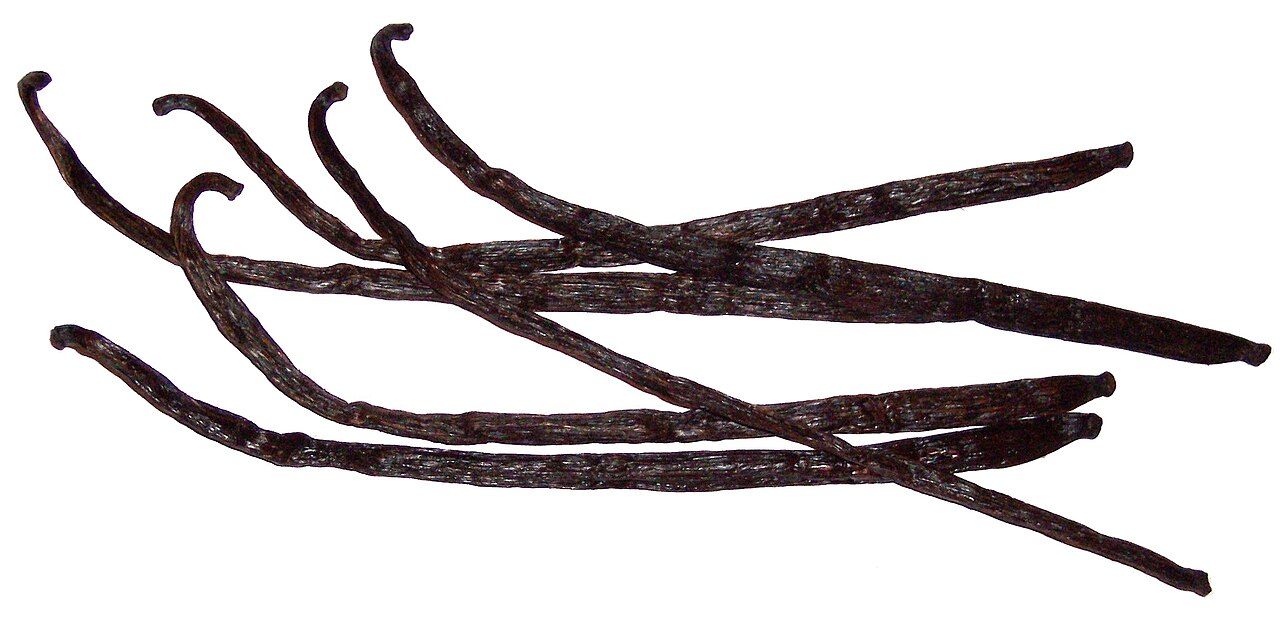
A vanilla bean is the cured, dried fruit of a climbing orchid. Its tiny seeds carry most of the aroma, and the pod around them holds resins and oils. Extract is made by macerating and percolating chopped beans in a solution of ethanol and water; alcohol dissolves the flavor compounds that water alone cannot carry. Pure extract contains several hundred flavor compounds beyond vanillin — the reason it tastes rounded rather than flat. Imitation extract is typically synthetic vanillin, sometimes derived from a wood-pulp by-product, with no bean solids involved.
Beans also vary by origin. Madagascar “Bourbon” beans are creamy and classic — the name refers to the Bourbon Islands, not whiskey. Mexican beans are warmer and spicier, Tahitian beans floral and fruity, and Ugandan or Indonesian beans bolder and more resinous. A single-origin bean can change a custard’s character in a way a generic bottle of extract cannot. That complexity is what you are paying for when a recipe specifically calls for a bean.
The Substitution Ratios
The practical exchange rate most bakers use:
- 1 vanilla bean = 1 tablespoon (15 ml) extract. For a standard pod, split it lengthwise and scrape the seeds; use the pod too if the recipe involves liquid that can be infused and strained.
- Half a bean = about 1 teaspoon extract; a quarter bean = about ¼ teaspoon.
- 1 tablespoon vanilla paste — a suspension of seeds in syrup and extract — approximates one bean’s visible specks with the convenience of a spoon.
These are approximations: bean size and moisture vary, and extracts range from standard to double and triple strength (up to twentyfold, mostly for commercial use). Check the bottle. When substituting extract for a bean in a custard or cream, add it off the heat at the end — alcohol is volatile, and long boiling drives away the aroma you paid for. When substituting a bean for extract, scrape the seeds into the mixture and, if the recipe has enough liquid, steep the split pod in it warm for 15 to 20 minutes, then remove and rinse it. You can reuse a steeped pod: dry it, then tuck it into a jar of sugar to make vanilla sugar. Our pantry storage for bakers guide covers how long those infusions keep.
Where the Bean Is Worth It
Use a bean where vanilla is a leading flavor and you can see the result: crème brûlée, panna cotta, vanilla ice cream, pastry cream, a plain butter cake, or a custard pie. The seeds read as tiny black flecks that signal real vanilla, and the pod’s complexity survives gentle heat. For a simple cookie or brownie where cocoa, butter, and brown sugar dominate, a good extract is indistinguishable in the finished bake and far cheaper. Same for a quick pancake batter or a whipped cream eaten within an hour — the nuance a bean brings is lost.
Temperature and timing matter with either form. In baked goods, the flavor compounds are volatile, so a late addition preserves more aroma; in a no-bake custard, steeping extracts more from the pod. If the recipe depends on creamed butter, make sure any added liquid is accounted for — extract is mostly alcohol and water, and the extra moisture is small but real in a tightly balanced dough. Our how to measure flour and butter temperature guides cover the other two variables that decide texture.
Storing Both Forms
Keep extract in a dark glass bottle away from light and heat; properly sealed pure extract keeps for years, though the aroma slowly softens. Imitation flavoring has no such complexity to lose. Beans should be tightly wrapped and kept cool and dark — a sealed jar in the freezer is ideal for long storage. A bean that has dried brittle has lost volatile aroma; one that feels slightly supple and smells rich when you bend it is still good. Never refrigerate a bean in an open container; it will pick up other food smells. If you are baking for a holiday batch, buy beans a few weeks ahead so you can test them in a small custard before committing them to the main recipe — the Christmas cookie recipes guide is a good place to start that kind of small-batch testing.
Making Your Own Extract
If you use enough vanilla to care about cost, a bottle of homemade extract is straightforward: split and chop six to eight beans, submerge them in a cup of neutral 80-to-100-proof vodka, seal the jar, and leave it in a cool dark place for at least eight weeks, shaking it weekly. The alcohol extracts what water cannot; a lower-proof spirit will not pull the same range of compounds. Strain out the pods and bottle the liquid in dark glass. The beans can be used once more in a weaker second batch or added to sugar. Homemade extract will not be standardized to the FDA’s 100-grams-per-litre rule, but a generous bean-to-spirit ratio yields a deeply flavored result that beats most supermarket bottles. Label the jar with the date — patience is the only difficult ingredient.
The Bottom Line
Use extract for everyday baking and recall-level convenience; use a bean when vanilla is the star and the seeds will be seen. One bean replaces about a tablespoon of extract, added off the heat for extract and steeped warm for a pod. Read the label: pure extract means at least 35 percent alcohol and 100 grams of beans per litre, while imitation is mostly vanillin. The bean costs more, but in a custard or a plain cake it is one of the few ingredients where you can taste exactly what you paid for.
Leave a Reply