

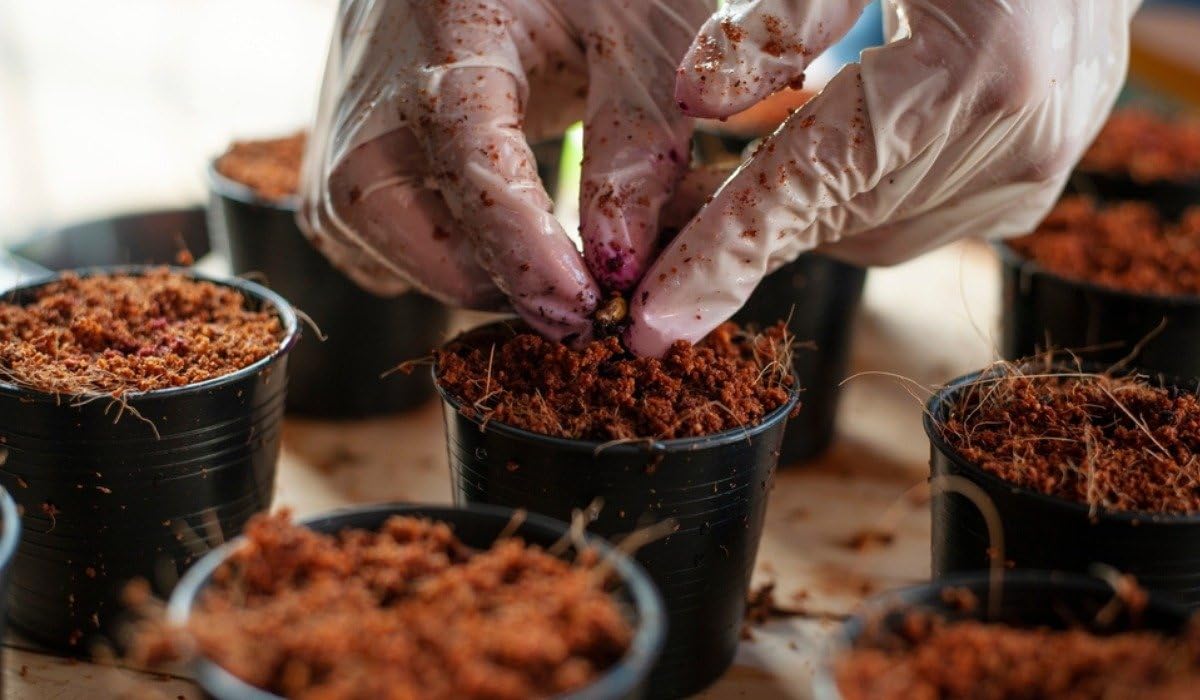
In the agricultural and horticultural world, the demand for eco-friendly and high-performance growing media continues to rise. Among the many options available today, cocopeat blocks stand out as one of the most efficient and sustainable choices. As more growers transition to organic and renewable resources, Indonesia has become a global leader—thanks to producers such as indococo that supply premium-quality cocopeat worldwide.
But what exactly makes cocopeat blocks so popular? And why are exporters from Indonesia trusted globally? Let’s dive into everything you need to know.
What Is a Cocopeat Block?
A cocopeat block—also commonly called coir peat block, coir pith fiber block, or coir coco pith block—is a compressed growing medium made from coconut husk fibers. After extraction of long fibers, the leftover coir dust is processed, cleaned, dried, and compressed into easy-to-handle blocks.
These blocks expand significantly when hydrated, producing a soft, airy, soil-like medium that is excellent for plant growth.
Why Cocopeat Blocks Are a Game-Changer for Growers
1. Excellent Water Retention
Cocopeat can hold up to 8–10 times its weight in water.
This makes it ideal for:
- Seed starting
- Hydroponic systems
- Areas with irregular watering schedules
Plants stay hydrated for longer, reducing water usage and preventing root dehydration.
2. Superior Aeration
Cocopeat provides exceptional air porosity, ensuring roots receive enough oxygen. This helps:
- Strengthen root growth
- Prevent soil compaction
- Improve nutrient absorption
Healthy roots lead to healthier, faster-growing plants.
3. Natural pH Stability
With a naturally mild pH of 5.5–6.5, cocopeat creates the ideal environment for most vegetables, flowers, fruits, and nursery plants.
4. Eco-Friendly and Sustainable
Unlike peat moss—which takes centuries to form—cocopeat is made from coconut waste, making it:
- Renewable
- Biodegradable
- Environmentally friendly
Using cocopeat supports sustainable farming practices.
5. Resistant to Pests and Diseases
Cocopeat naturally resists harmful pathogens, reducing the risk of:
- Root diseases
- Soil-borne fungi
- Harmful bacteria
This makes it safer and more reliable than traditional soil.
6. Easy to Transport & Store
In compressed block form, it is:
- Lightweight
- Space-saving
- Cost-efficient to ship
This is why businesses prefer buying from a trusted cocopeat block exporter in Indonesia.
Why Indonesia Leads the Global Cocopeat Market
Indonesia is one of the world’s largest producers of coconuts, making it a natural hub for high-quality cocopeat block production. Exporters like Indococo maintain strict quality control, ensuring:
- Low EC (electrical conductivity)
- Optimal moisture content
- Clean, sieved material
- Consistent expansion ratio
This reliability has earned Indonesia a strong reputation among growers across Asia, Europe, the Middle East, and the US.
Applications of Cocopeat Blocks
Cocopeat blocks are extremely versatile and are widely used for:
- Hydroponics
- Greenhouse farming
- Potting mixes
- Seed germination
- Nursery propagation
- Mushroom cultivation
- Landscaping and soil conditioning
Whether you manage a large farm or a small home garden, cocopeat is an excellent growing solution.
Final Thoughts
Cocopeat blocks offer a perfect blend of sustainability, efficiency, and performance. With superior water retention, aeration, and eco-friendly qualities, they continue to replace conventional soil-based media across the globe.
If you are looking for premium-quality cocopeat products from a trusted Indonesian exporter, Indococo is one of the most reliable names in the industry.
Contact Our Team
WhatsApp: (+62) 812 1233 3590 (Ms. Maria)
Email: sales@arlion.co.id


